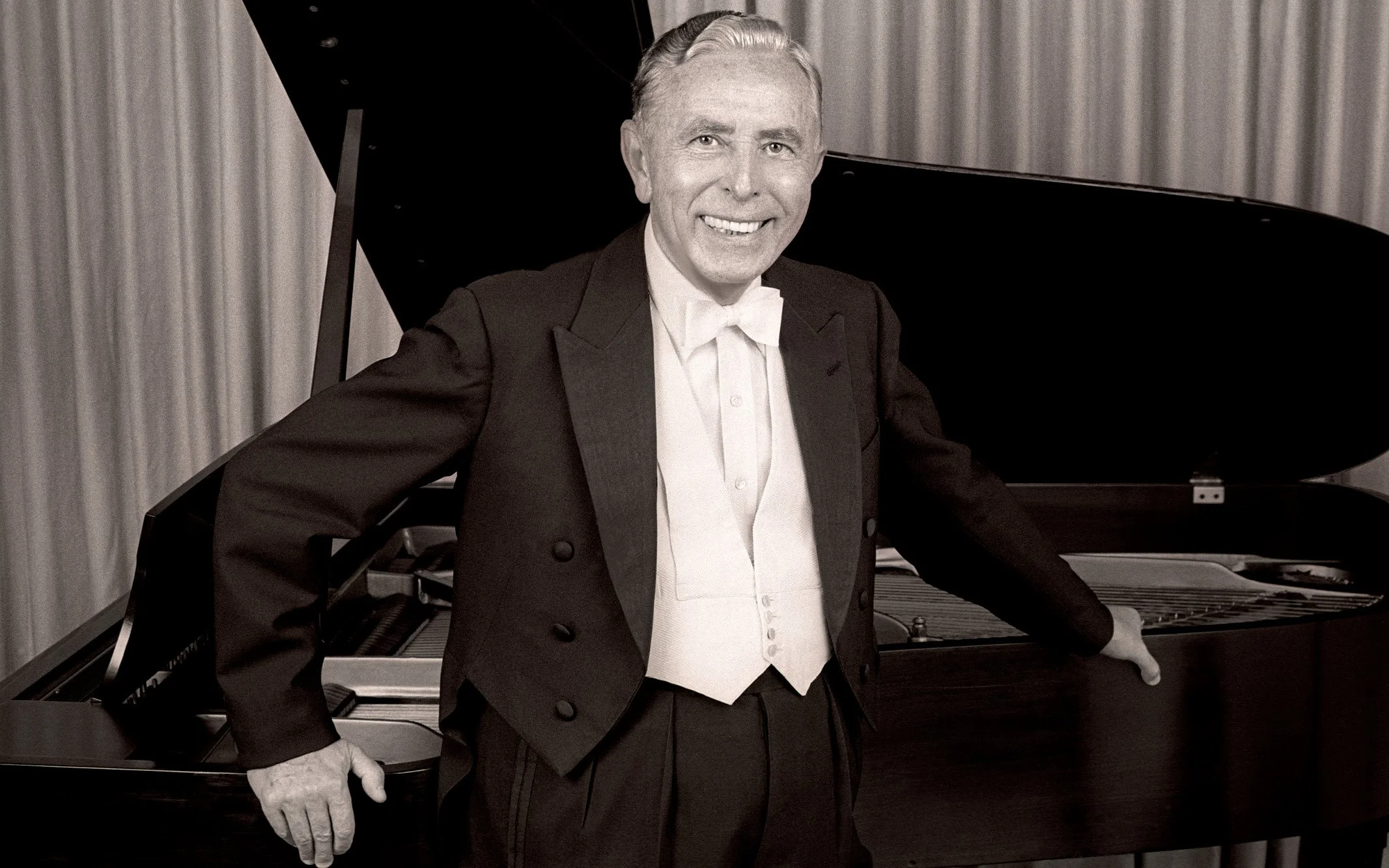
Photo credit: Pianist Rudolf Firkušný by Steve J. Sherman.
A very special Gala Concert and Reception honoring the world-renowned Czech-born pianist Rudolf Firkušný (1912-1994).
The internationally acclaimed pianist Yefim Bronfman, a former student of Firkušný at The Juilliard School, will perform at this event, which will also include a brief discussion with esteemed professors Michael Beckerman, Dean of the UCLA Herb Alpert School of Music, and Leon Botstein, President of Bard College and Conductor and Music Director of the American Symphony Orchestra.
Program
Johannes Brahms, Piano Sonata No. 3 in F Minor, Op. 5
Allegro maestoso
Andante espressivo – Andante molto
Scherzo. Allegro energico avec trio
Intermezzo. Andante molto
Finale. Allegro moderato ma rubato
Sergei Prokofiev, Piano Sonata No. 7 in B-flat Major, Op. 83
Allegro inquieto
Andante caloroso
Precipitato
The evening marks the inaugural performance of the Steinway piano recently acquired by the Bohemian Benevolent and Literary Association.
Tickets for this special occasion are $125 (plus the processing fee).
A portion of ticket sales will benefit the programs of the Dvořák American Heritage Association, which celebrates its 20th year of public concerts and lectures in 2026.
About
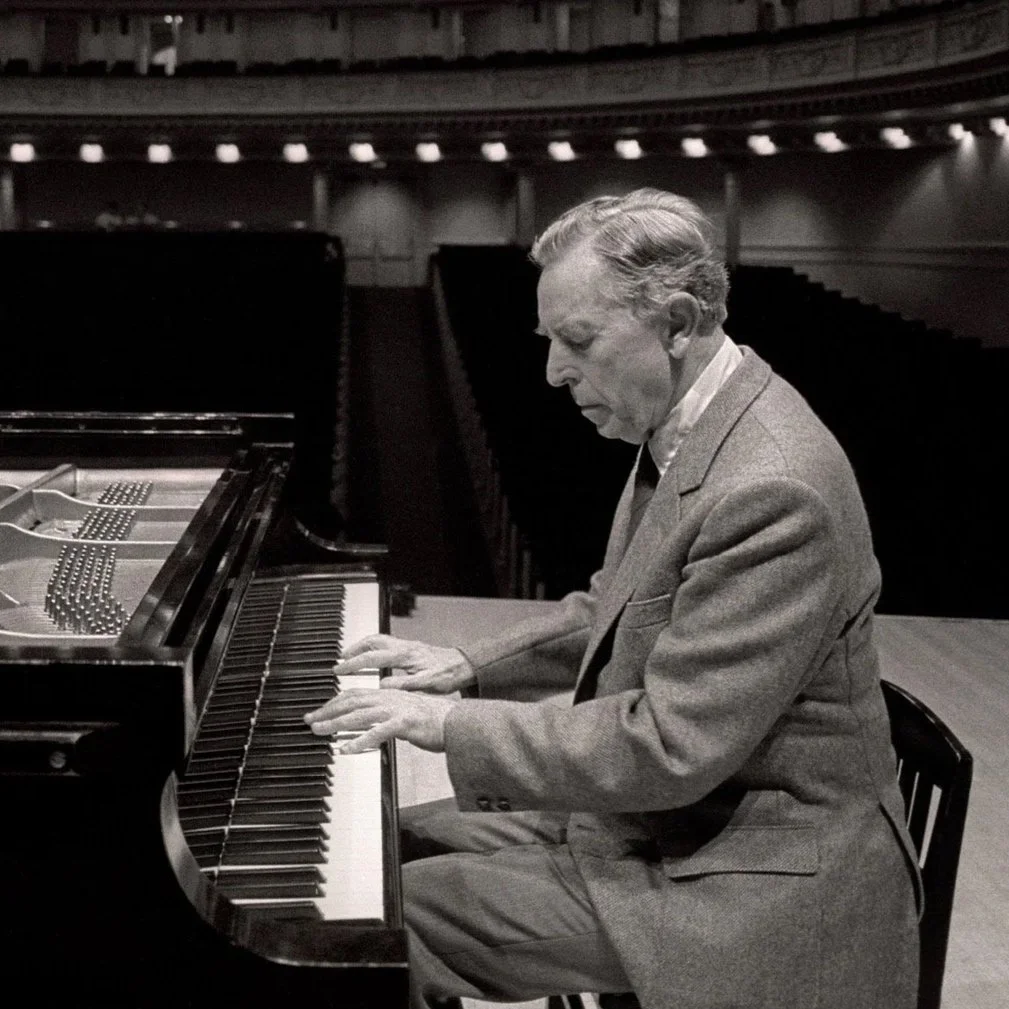
Acclaimed as one of the premier keyboard artists of his time, RUDOLF FIRKUŠNÝ (1912-1994) came from a richly varied background of Czech and Central European musical traditions, including studies with Leoš Janáček and Artur Schnabel. Hailed for his masterful performances of the Classical, Romantic and early 20th Century repertoires, he was also considered the world’s foremost exponent of Czech music and championed the works of Smetana, Dvořák, Janáček and Martinů throughout his illustrious career, which spanned seventy-four years, from his first concert at the age of eight until his last, six months before his death.
Rudolf Firkušný was born on February 11, 1912, in Napajedla, Moravia, the youngest of three children. His father died when Firkušný was not quite three, and his family moved back to Brno, where from the age of five, he studied music with Leoš Janáček. He gave his first recital in Prague at the age of eight, played Mozart’s Coronation Concerto with the Prague Philharmonic at ten, and made his Vienna debut one year later. Firkušný went on to continue his piano studies with Vilém Kurz and composition with Josef Suk, Dvořák’s son-in-law, at the Prague Academy of Music. With the encouragement and support of President Tomáš Garrigue Masaryk of Czechoslovakia, Firkušný traveled abroad to pursue advanced studies in Paris with Alfred Cortot and in Italy with Artur Schnabel. After hearing Firkušný play, Cortot informed him: “You don’t need a teacher, you need a public.” Instead of lessons, Cortot engaged him for a concert in Paris, which the great French pianist himself conducted. Firkušný made his first tour to the U.S. in 1938, followed by a highly successful New York recital at Town Hall in 1941. That same year he played the Dvořák Piano Concerto with Sir Thomas Beecham at the Ravinia Festival, giving the first U.S. performance of this work in sixty-five years. It was the first of many standard-setting performances of Czech masterpieces he was to play.
Firkušný left Czechoslovakia after the Nazi occupation of that country in 1939, settling first in Paris, and then eventually coming to the United States. He returned to Czechoslovakia in 1946 to play three concerts at the inaugural Prague Spring Festival, hoping to stay. After the Communist putsch in 1948, he gave up plans to return to his homeland and became an American citizen. Over the next four decades of his distinguished career, Rudolf Firkušný appeared with the world’s most prestigious orchestras, including the Berlin, Czech, New York and Los Angeles Philharmonics; Boston, Chicago, San Francisco, Pittsburgh and Vienna Symphony Orchestras; Cleveland and Philadelphia Orchestras; Royal Concertgebouw; Orchestre de Paris; and all the major London orchestras. The list of conductors he collaborated with includes Sir Thomas Beecham, Jiři Bělohlávek, Pierre Boulez, Carlo Maria Giulini, Serge Koussevitzky, Rafael Kubelík, James Levine, Zdeněk Mácal, Kurt Masur, Charles Munch, Riccardo Muti, André Previn, Sir Georg Solti, Leopold Stokowski, Georg Szell, and Bruno Walter, among others. Devoted to chamber music throughout his career, he frequently collaborated with renowned artists such as cellists Pierre Fournier, Lynn Harrell, and Gregor Piatigorsky, violist William Primrose, and with The Juilliard Quartet.
After the Velvet Revolution of 1989 brought about the collapse of the Communist regime in Czechoslovakia and, with the election of Václav Havel as President, restored democracy to the nation, Firkušný was finally able to go back officially. In May 1990, he gave his first concert in his native country in forty-four years, marking the restoration of democracy and bringing to an end the long voluntary exile through which he had protested the totalitarian oppression of his homeland. His performance of Martinů’s Piano Concerto No. 2 with the Czech Philharmonic at the Prague Spring Festival received a standing ovation led by President Václav Havel, and was broadcast live on radio and television and recorded by Supraphon. On that dramatic return visit, Firkušný received numerous musical and academic honors, including an Honorary Doctorate from Charles University, the oldest university in Central Europe; the Gold Medal of the Performing Arts Academy of Prague; and honorary citizenships in both Prague and his birthplace, Napajedla. He also joined the artistic committee of the Prague Spring Festival. During frequent subsequent visits, Firkušný received many awards, including the Order of T.G. Masaryk, First Class, the highest civilian honor bestowed by the Czech government, awarded by President Havel in 1991, and honorary doctorates from Masaryk University and the Janáček Academy of Music and Performing Arts in Brno.
Rudolf Firkušný died on July 19, 1994, at his country home in Staatsburg, NY. In 2007, the ashes of his and those of his wife, Tatiana Nevolová Firkušný, were interred together in the Circle of Honour at the Central Cemetery in Brno, close to the grave of Leoš Janáček, his first teacher, and beside the grave of his good friend, composer Jan Novák. Additional tributes included the Rudolf Firkušný Festival of Classical Music founded in Napajedla in 2007 at the Elementary School of the Arts (ZUŠ), renamed the ZUŠ Rudolfa Firkušného in 1991 and opened by Firkušný himself, as well as a memorial subtitle added to the Prague Spring International Piano Competition in 2011, and a centennial commemorative festival in Brno in 2012. The most significant honor followed in 2013, when the Prague Spring Festival launched the annual Rudolf Firkušný Piano Festival, now it its thirteenth season and firmly established as a major autumn tradition in Prague.
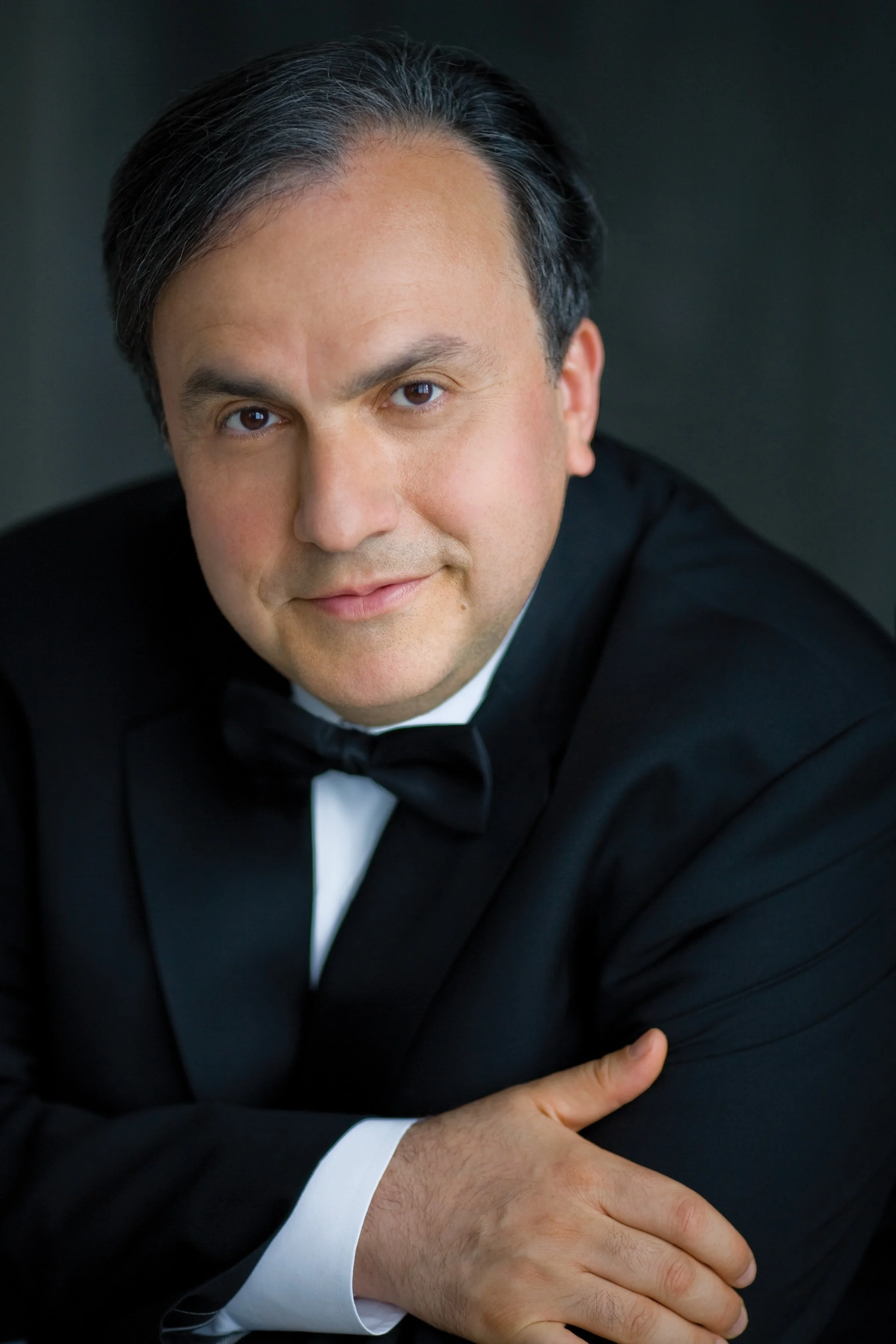
Internationally recognized as one of today's most acclaimed and admired pianists, YEFIM BRONFMAN stands among a handful of artists regularly sought by festivals, orchestras, conductors and recital series. His commanding technique, power and exceptional lyrical gifts are consistently acknowledged by the press and audiences alike.
Following summer festival appearances in Vail, Tanglewood and Aspen the 25/26 season began with an extensive recital and orchestral tour in Asia including China, Japan and South Korea. In Europe Bronfman appears with orchestras in London, Kristiansand, Paris, Berlin, Amsterdam, Dresden and on tour with Israel Philharmonic. A special trio project with Anne-Sophie Mutter and Pablo Ferrandez continued with performances in Switzerland, Spain, Germany and France in the fall of 2025. With orchestras in North America he returns to New York, Rochester, Cleveland (in Miami), Pittsburgh, Kansas City, Montreal and in recital, Bronfman can be heard in Prague, Milan, Los Angeles, San Francisco, San Diego, Orange County, Charlottesville and Toronto.
Born in Tashkent in the Soviet Union, Yefim Bronfman immigrated to Israel with his family in 1973, where he studied with pianist Arie Vardi, head of the Rubin Academy of Music at Tel Aviv University. In the United States, he studied at The Juilliard School, Marlboro School of Music, and the Curtis Institute of Music, under Rudolf Firkusny, Leon Fleisher, and Rudolf Serkin. A recipient of the prestigious Avery Fisher Prize, in 2010 he was further honored as the recipient of the Jean Gimbel Lane prize in piano performance from Northwestern University and in 2015 with an honorary doctorate from the Manhattan School of Music.

MICHAEL BECKERMAN, a musicologist widely recognized for his seminal scholarship on Czech and Eastern European music, is dean of the UCLA Herb Alpert School of Music. Beckerman previously was the Carroll and Milton Petrie Professor of Music and the Collegiate Professor of Music at New York University, where he also chaired the music department for more than a decade. He was a distinguished professor at Lancaster University in the U.K. from 2011 to 2015.
Beckerman has written and edited numerous books, including New Worlds of Dvořák (2003), Dvořák and His World (1993), Janáček and His World (2004), Martinů and His World (2025), Janáček as Theorist (1994), Martinů’s Mysterious Accident (2007), and Classical Music: Contemporary Perspectives and Challenges (2021). His work has also focused on such subjects as Mozart, Brahms, the music of the Roma, the experiences of exiled composers, music and disability, and music in World War II concentration camps. Throughout his career, he has also been dedicated to bringing musical knowledge to audiences beyond academia. A frequent contributor to the New York Times and other popular media, he was a regular guest on the “Live From Lincoln Center” series on PBS and is a two-time recipient of the ASCAP Deems Taylor Award. In 2016–17, he served as the Leonard Bernstein Scholar-in-Residence at the New York Philharmonic.
Among Beckerman’s othet honors and recognitions are the Dvořák Medal, the Janáček Medal and the Gratias Agit Award from the Czech government and the Harrison Medal from Ireland’s Society of Musicology. He has honorary doctorates from Palacký and Masaryk universities, and is vice president of the Dvořák American Heritage Association. He treasures his friendship with Rudolf Firkušný, which ranged from discussions about Janáček’s theoretical works to improvising four-hand versions of Czech folk songs at the piano.
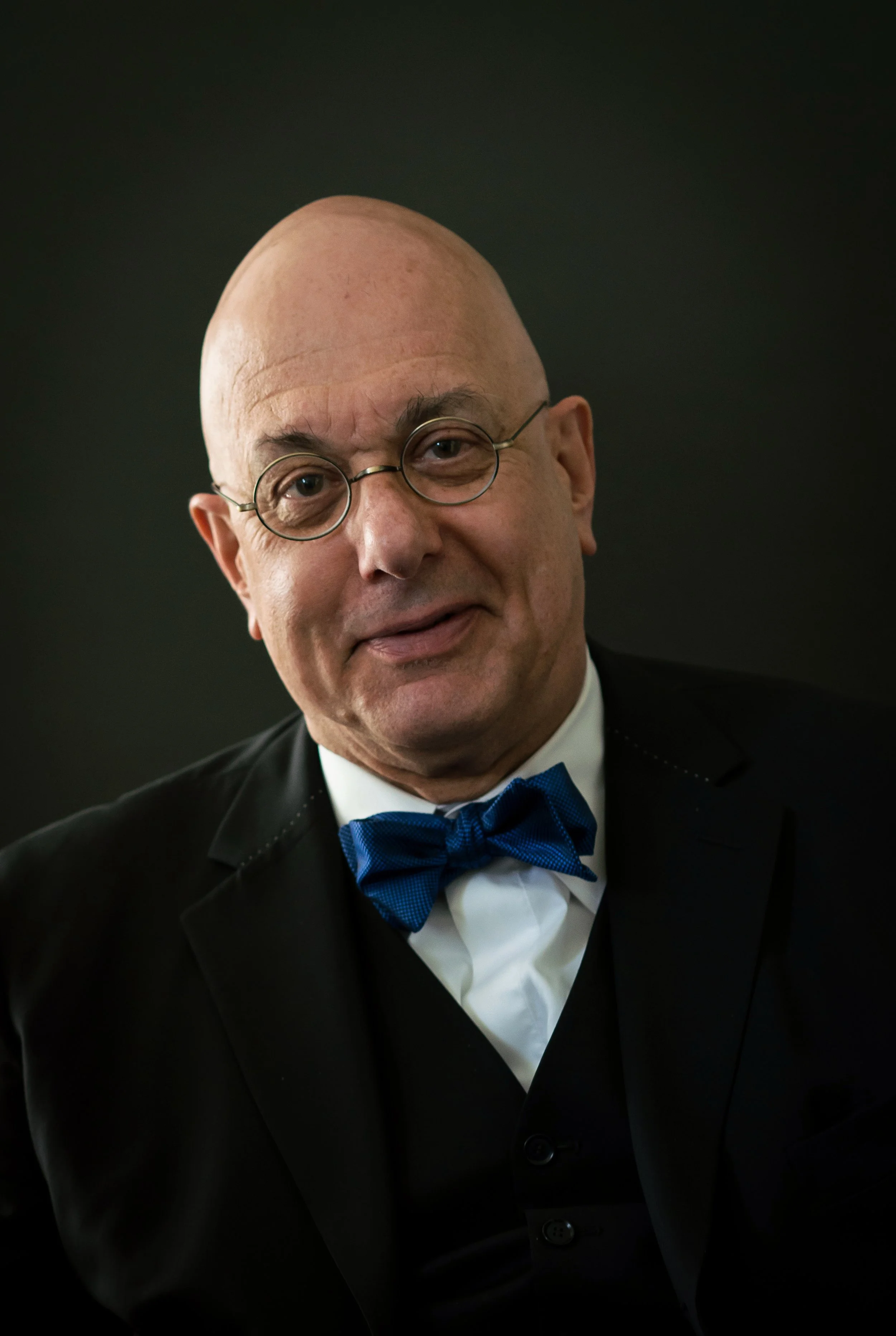
LEON BOTSTEIN has been president of Bard College in New York since 1975 and is artistic co-director of Bard SummerScape and the Bard Music Festival, founder and music director of The Orchestra Now (TŌN), music director and principal conductor of the American Symphony Orchestra (ASO), and conductor laureate and principal guest conductor of the Jerusalem Symphony Orchestra (JSO). He has been guest conductor with the Los Angeles Philharmonic, Royal Philharmonic Orchestra, Aspen Music Festival, Buffalo Philharmonic Orchestra, Mariinsky Theatre, Russian National Orchestra in Moscow, Hessisches Staatstheater Wiesbaden, Taipei Symphony, Simón Bolivar Symphony Orchestra, and Sinfónica Juvenil de Caracas in Venezuela, among others. In May 2025, he led two concerts with TŌN in Koblenz and Nuremberg, Germany, marking 80 years since the surrender of Nazi Germany. With the ASO, he has revived numerous neglected opera and rare repertoire, such as Schoenberg’s Gurre-Lieder, Richard Strauss’s Guntram, and the US premiere of Sergei Taneyev’s At the Reading of a Psalm. Albums include The Lost Generation and Exodus, with TŌN; Hindemith’s The Long Christmas Dinner with the ASO; and a Grammy-nominated recording of Popov’s First Symphony with the London Symphony Orchestra, among others. He is editor of The Musical Quarterly and author of numerous articles and books, including The Compleat Brahms, Jefferson’s Children, Judentum und Modernität, and Von Beethoven zu Berg. Honors include Harvard University’s Centennial Award; the American Academy of Arts and Letters award; and the Carnegie Foundation’s Academic Leadership Award. In 2011, he was inducted into the American Philosophical Society.
Leon Botstein’s biography courtesy of The Bard Music Festival 2025 program book.
This event is organized by the Dvořák American Heritage Association with support of the Bohemian Benevolent and Literary Association.